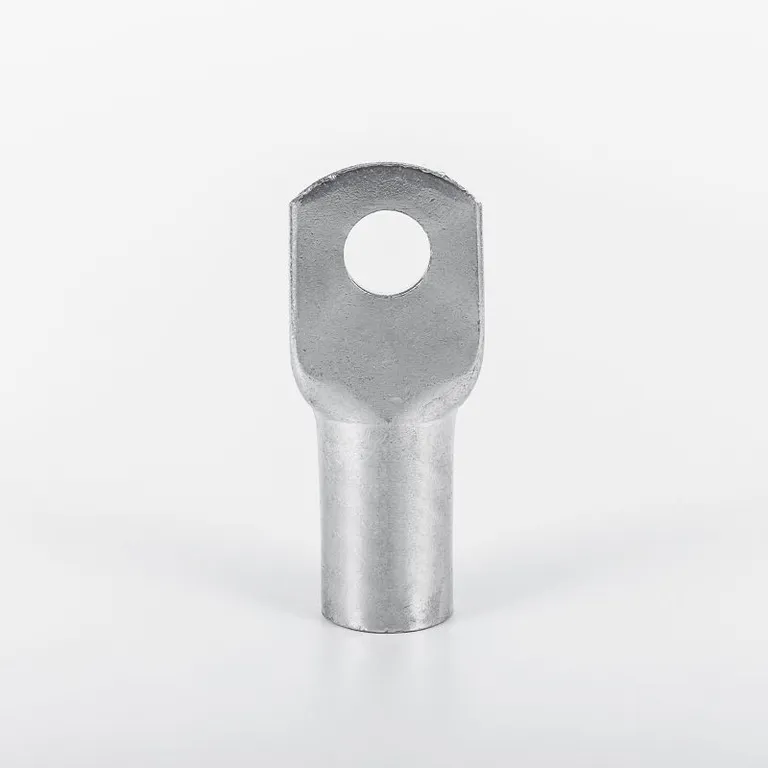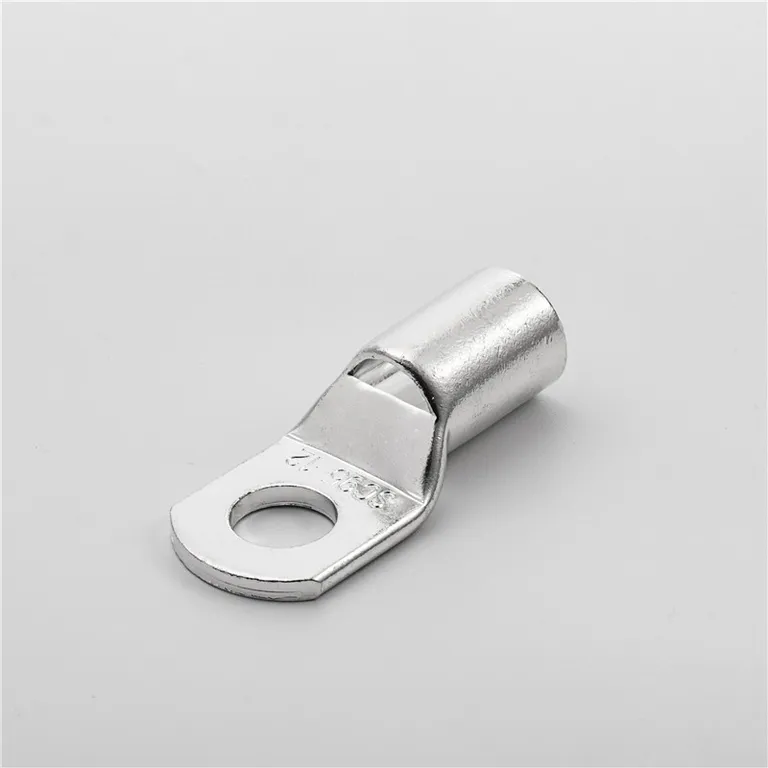
Causes Of Fusing Of Copper-aluminum Transition Terminals

At present, copper-aluminum transition terminals are usually used in outdoor cable installations. In view of the application situation, one of the common faults is the copper-aluminum transition terminals. Now the main reasons for the fusing of the cable terminals are analyzed. Provide some reference for everyone.
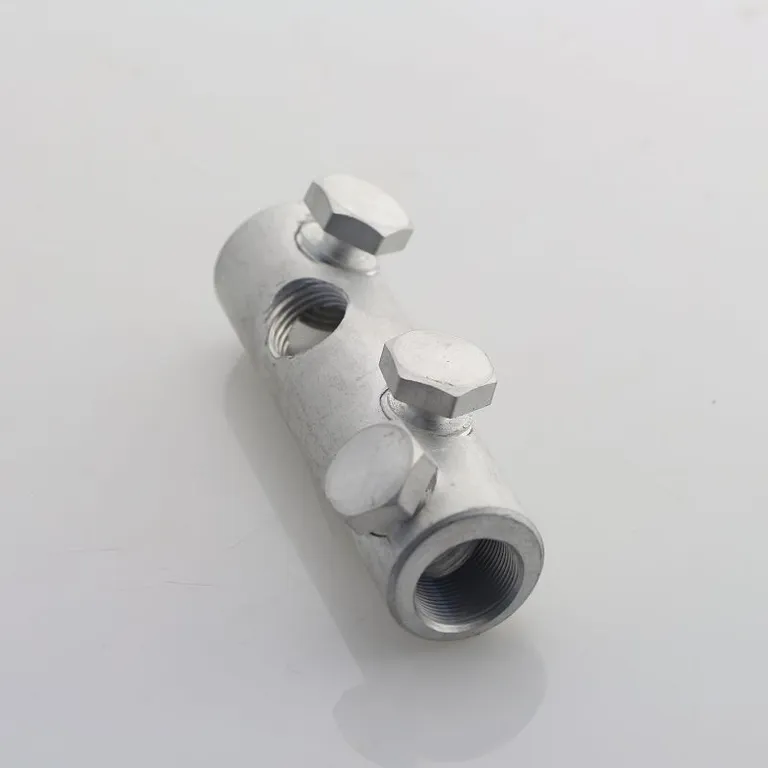
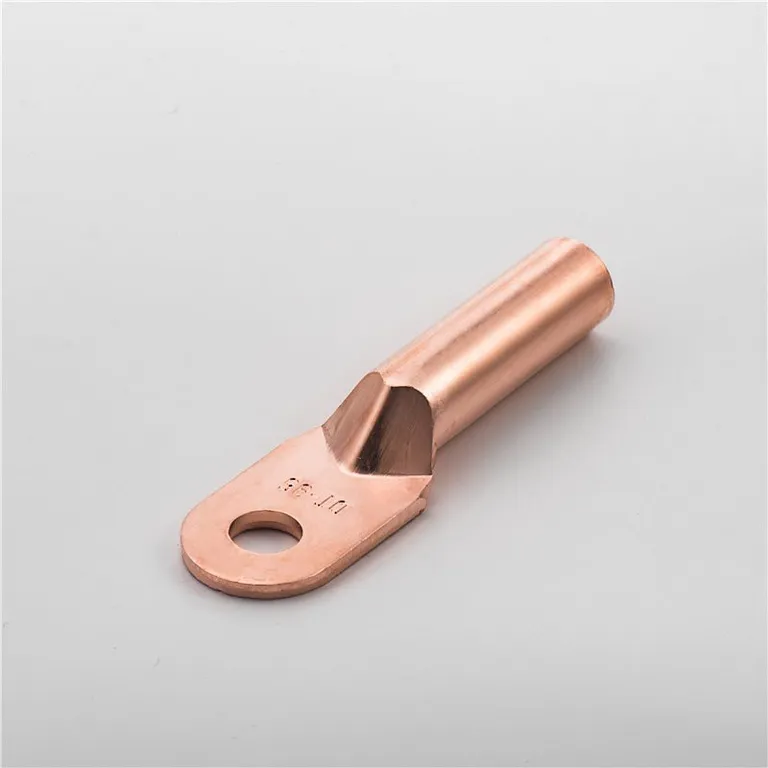
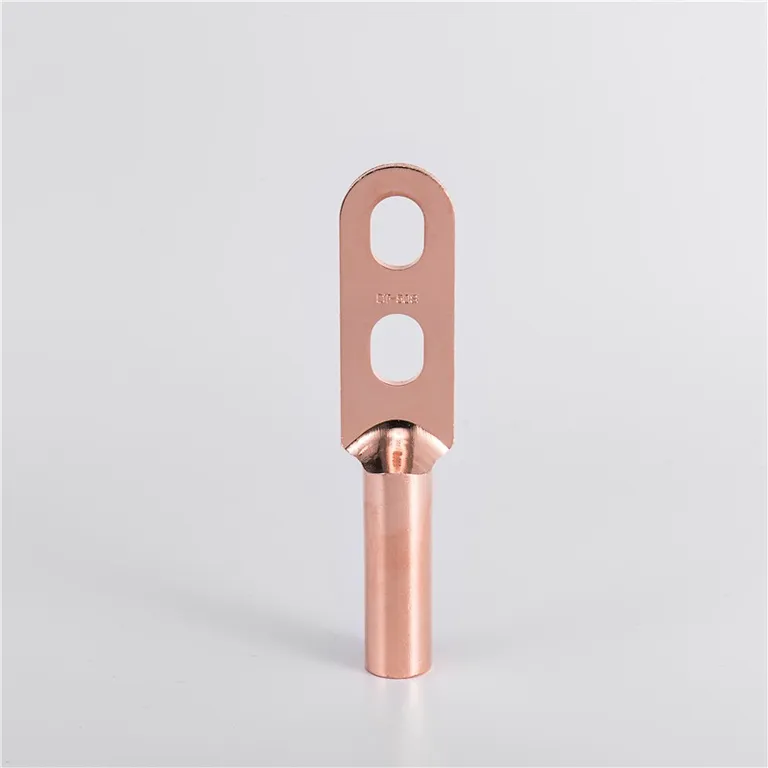
One of the main reasons is that the quality of the terminal product itself does not meet the requirements. The main problems are: the screw hole is too large, which causes the contact area of the terminal to shrink, and the fixing bolt is easy to loose; the outer tube diameter of the terminal becomes thinner, and the tube wall becomes thin; The depth of the tube becomes shallower and the wire insertion part becomes shorter; the copper length of the copper-aluminum transition part is shortened; the width of the contact surface part is reduced, so that the contact area is reduced; the thickness of the contact surface part is reduced.
The second important reason is that the installation is not in place. For example, during the installation process, the wiring terminals and equipment clamps are not well connected. This is also one of the conditions to ensure safe power supply. In the event of outdoor cable head terminal fusing After the situation, after careful inspection, it was found that the lead clip and the contact part of the terminal had melting spots. This is also the corrosion of the contact between the two different metals of copper and aluminum, which caused the poor contact of the contact surface to cause overheating and burning.
The third reason is unreasonable load distribution. In other words, in the process of electric energy transmission, if the load of each phase is not even, it will cause the load of one phase or two phases to be low, and the load of the other phase or two phases will be high. The load current will be too large for a long time, and it will increase. The failure probability of the cable line is accelerated, the insulation aging is accelerated, the service life of the cable is shortened, and the external contact of the terminal head of the terminal is overheated and damaged, and the hazard of the overload of the cable line is obvious.
In addition to the above reasons, it is also necessary to consider the impact of lightning strikes and other related factors. This is because in practical applications, lightning strikes and line faults in summer are also another reason for the fusing of the outdoor cable end terminals of the cable.