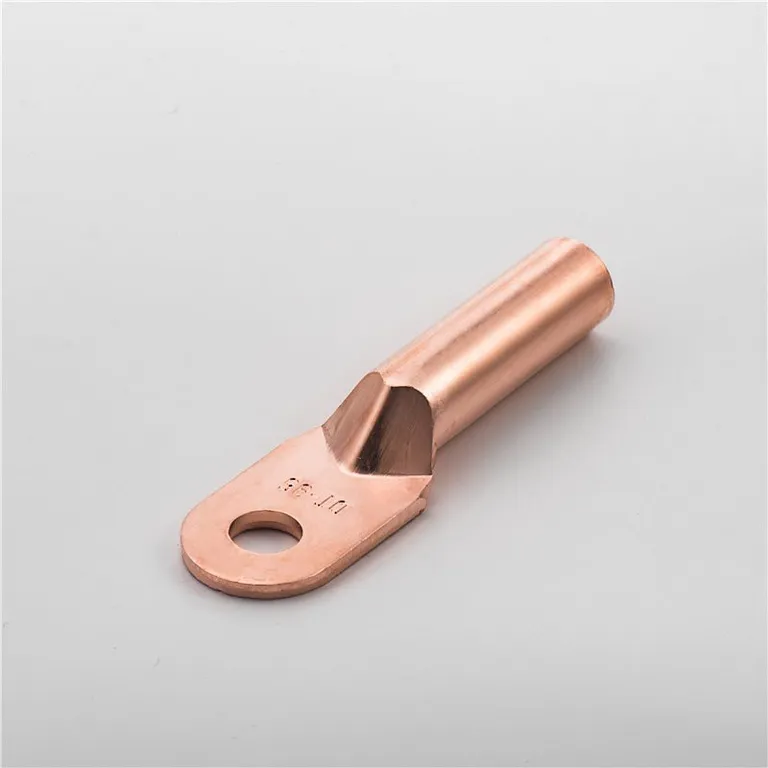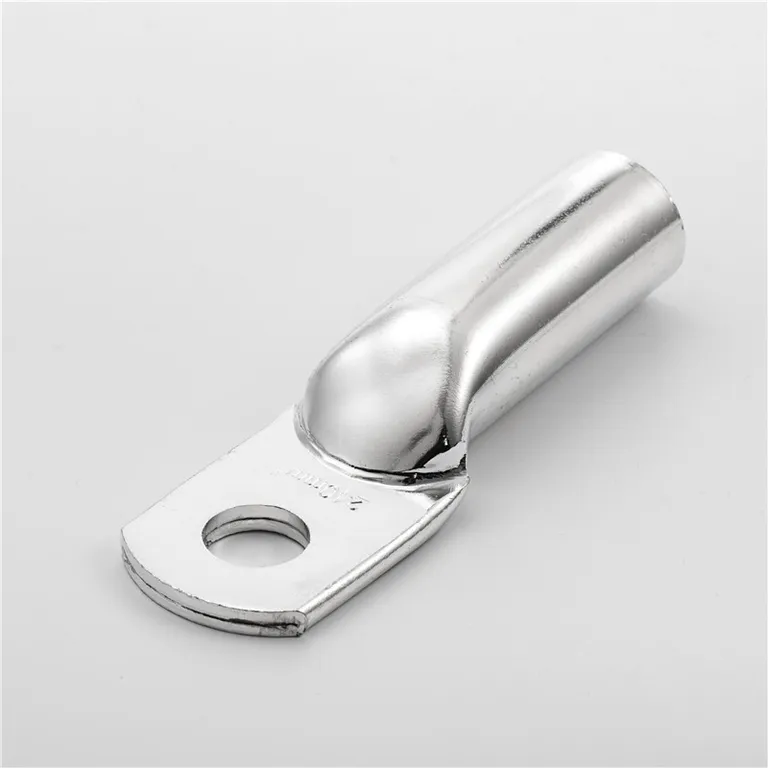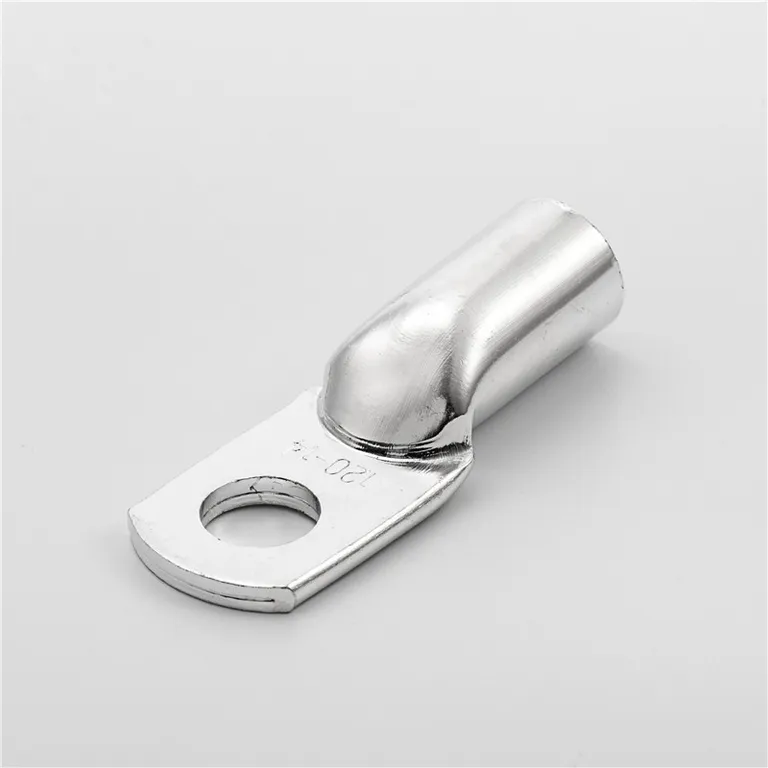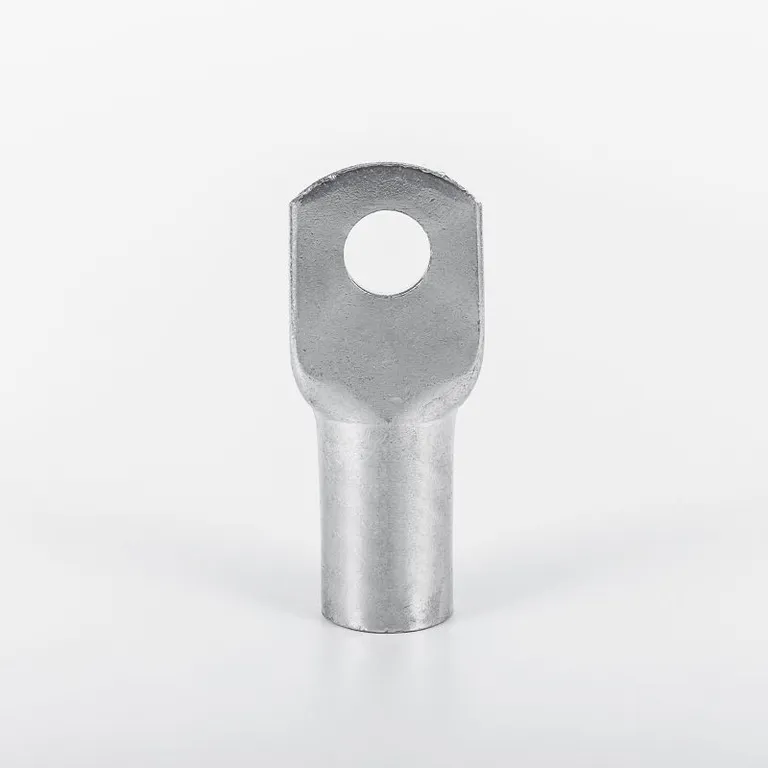
How to install the wiring terminals in the complete electrical cabinet
Engineers who produce complete integrated systems know that, usually, the space of an electrical cabinet is limited and resources must be reasonably allocated and adjusted. This must involve the distribution design of the electrical connections in the switchgear and the details of the installation.
The layout principle of the terminal block: The layout of components generally follows the following principles:
- The terminals should be evenly distributed and densely distributed on the entire board surface.
- Do not occupy the board surface for the wiring terminals. Pay attention to leaving a certain gap around the edge of the board. The size of the gap is determined by the size of the printed circuit board and the fixing method.
- Under normal conditions, all the terminal components should be arranged on the same surface of the printed circuit board. Only when the top components are too dense, can some components with limited height and small heating bases, such as stickers Chip resistors, chip capacitors, chip ICs, etc. are placed on the bottom layer.
- The layout of the terminals cannot cross up and down. A certain distance should be maintained between two adjacent components, and the distance should not be too small to avoid contact.
- Under the premise of ensuring the electrical performance of the wiring terminal, the components should be placed on the grid and arranged in parallel or perpendicular to each other for orderliness and beauty. Under normal circumstances, no overlap of components is allowed; the arrangement of components should be compact, and input and Keep output components as far away as possible.
- The installation height of the terminal should be as low as possible. Generally, the body of the component and the lead should not exceed Smm away from the board surface. If it is too high, the stability of withstanding vibration and shock will become worse, and it will be easy to fall over or touch adjacent components.
- Determine the axis direction of the components according to the installation position and state of the high-current terminal of the printed circuit board in the whole machine. For regularly arranged components, the axial direction of the larger components should be upright in the whole machine, so that the stability of the components fixed on the printed circuit board can be improved.