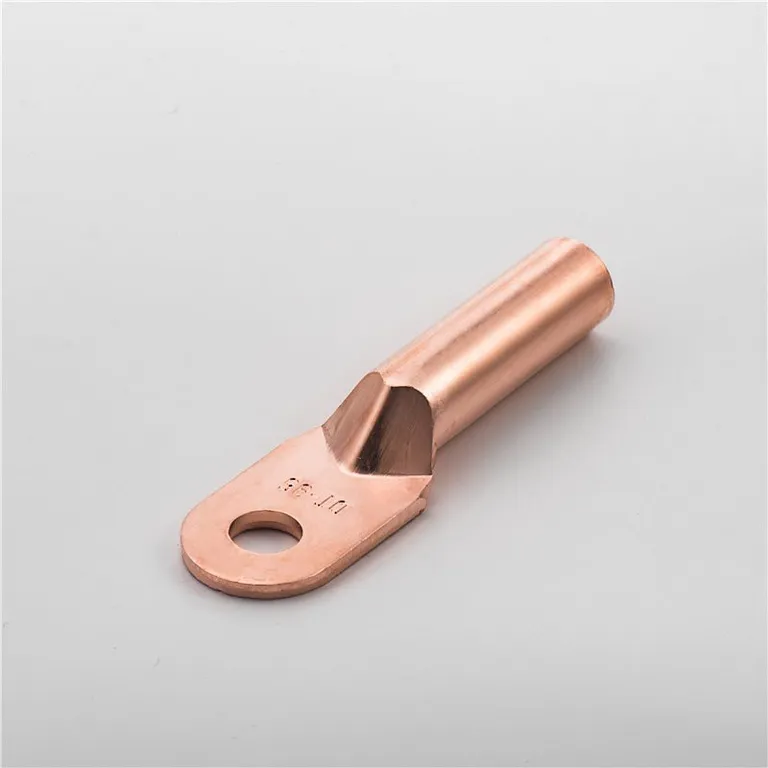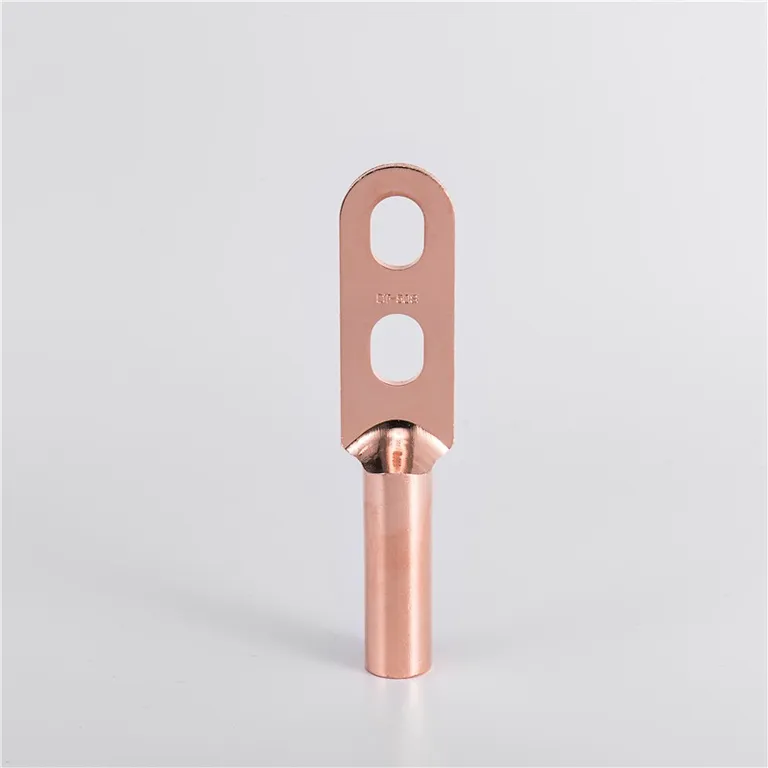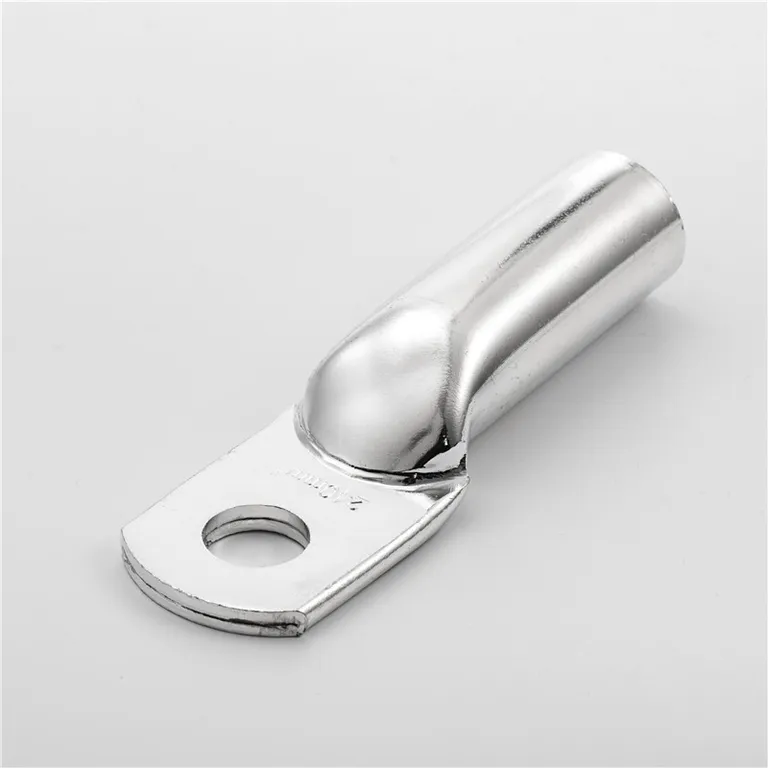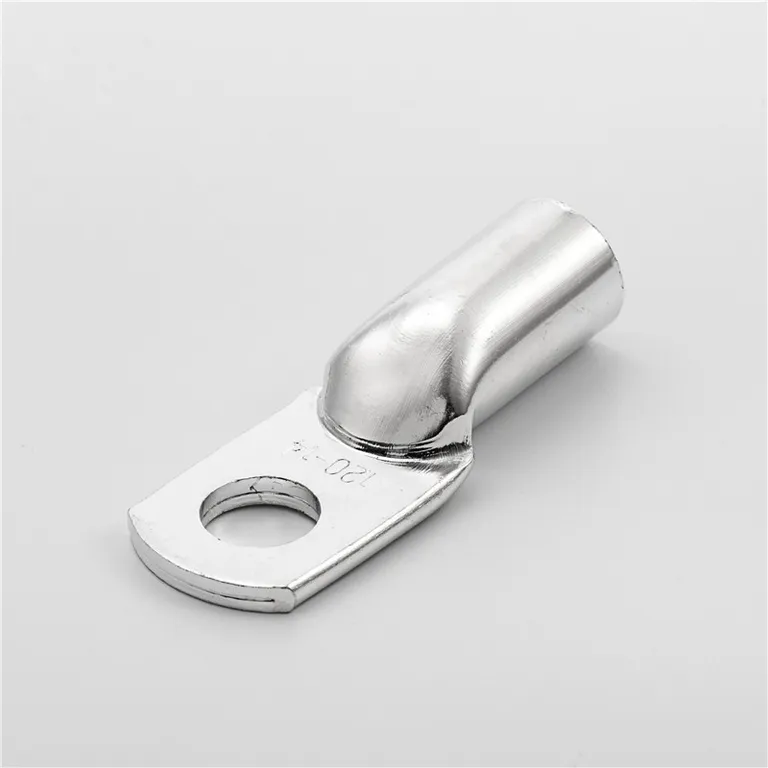
Several Materials For Making Copper Tube Terminals

When studying the quality of copper tube terminals, we will consider the various environments it faces. Then, when designing the terminals, we will consider all materials, including metal materials and shell materials. The material will affect the quality of the terminal, these issues are all designers should consider when designing the terminal. The quality and performance of the insulated shell of the combined terminal are as high as its metal components. Most of the insulated shells are made of PA66, PC, PP and other plastics. Regardless of the material, the shell is required to meet the corresponding flame retardant grade, heat resistance, environmental performance, insulation performance and mechanical strength.
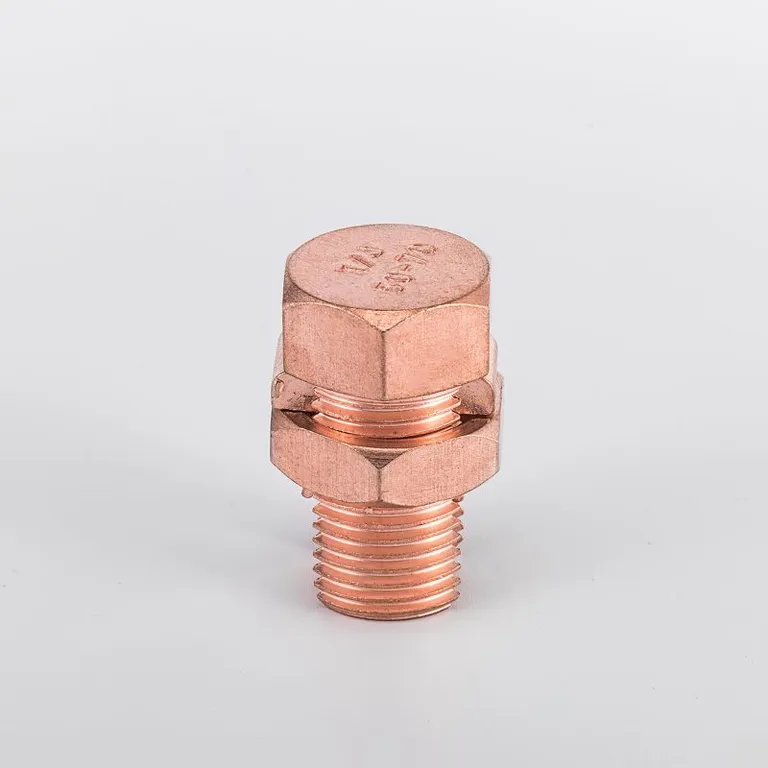
The main metal parts of the metal material terminal block are conductive strips, screws and clamping parts. The key is the copper content of the conductive strips. According to the national standard "Household and similar use plugs and sockets" (GB 2099) and "Household and similar use fixed In the switch of electrical installations (GB 16915), it is clearly stated that the copper content is at least 58%. Copper has good metal processing properties and high corrosion resistance; copper has excellent electrical conductivity, second only to silver. Therefore, copper is particularly suitable for forming electrical and mechanical connection components such as combined terminals. Copper metal parts and copper wires have almost the same coefficient of thermal expansion, which avoids different degrees of thermal expansion in the case of large temperature fluctuations, thus avoiding mechanical stress in the terminals and avoiding the resulting connection Loose. Screws and clamping parts are generally made of copper alloy, or steel plated with anti-rust materials on the surface. The key is to have anti-corrosion performance and sufficient mechanical strength. In principle, do not directly use steel without surface electroplating anti-rust materials. It can avoid the battery effect of steel metal parts and copper wires in humid conditions, and avoid the occurrence of unreliable electrical connections and screw rusting caused by electrical corrosion. Usually, the surface of steel parts needs to be nickel-plated, which can play a certain anti-corrosion effect.
The more common material is PA66, which has a compressive strength of up to 600 kV/cm, can work continuously at a temperature of 100 ℃, can withstand 200 ℃ in a short time, and has a melting point of 250 ℃. It can still maintain elasticity at low temperature to-40 ℃. PA66 generally does not breed various organisms, and can resist the erosion of microorganisms, bacteria, molds, enzymes and ants. Gasoline, oils, lipids, aliphatic and aromatic compounds, chlorine compounds, esters, ketones and alcohol will not attack these materials. Carbonate PC is also a very common material. Polycarbonate combines many advantages, such as high hardness, good impact toughness, transparency, dimensional stability, good insulation properties, and good thermal stability. This amorphous material only absorbs a very small amount of water, so it is used to make larger, shape-stable electronic component housings. Transparent polycarbonate is particularly suitable as a cover or marking material.
The compression mechanism of the high-current terminal is a mechanism that generates pressure between the wire and the conductive strip. Only by generating enough pressure can a low contact resistance be ensured and a good connection can be formed. Therefore, the reliability of the compression mechanism directly affects The wire connection is good or bad. For screw-type terminals, screws, copper posts and pressing plates are important components of the pressing mechanism; for non-threaded terminals, springs or spring cards are important components of the pressing mechanism. For screw-type terminals, the locking ability of the screw is a decisive factor. The general self-locking principle of terminal screws is based on the "lifting cylinder principle". When tightening the screw, the tightening force of the screw does not directly act on the wire, but on the wire. The clamping piece, the resulting automatic stepping self-locking makes the thread friction gradually increase, realizes the screw self-locking, and finally clamps the wire on the conductive strip. A contact pressure of 300N will be generated on the wire, and the contact resistance can reach 0.3mΩ, which is far less than the low value required by the standard.
For non-threaded terminals, the pressing mechanism is mainly a spring, so the selection of spring materials is very important. It is necessary to ensure that there is sufficient contact pressure and to ensure that the wires are not excessively damaged. Spring terminals are currently relatively reliable non-threaded terminals. When entering the wire, you can press the spring with a push block or a screwdriver. After entering the wire, loosen the spring, use the spring's return force to tightly press the wire to generate sufficient contact pressure, and then use the blade of the spring to choke the wire. Make it not loose or artificially pulled out. Therefore, when designing the terminal, the contact pressure of the wiring and the prevention of loosening must be considered. A good pressing mechanism must have a reliable positioning device. During the use of the product, a large torque is generally generated to ensure that the wire has sufficient contact pressure. The standard GB2099 and GB16915 clearly stipulate that when tightening or loosening the clamping screw It will not cause the loosening of the terminal itself. There are different torque requirements for different thread diameters. For example, the M3 crimping screw requires a torque of 80N that will not cause damage to the terminal block. Therefore, the positioning device is a big test for the reliability and operability of the wiring.